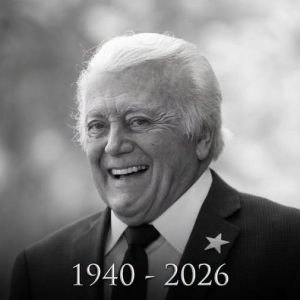
He came from the margins and never really left them, even when the spotlight finally found him. The brutality of his childhood, the years in prison, the drifting and defiance weren’t backstory—they were the engine of everything he wrote. That’s why his best songs felt lived-in, like confessions whispered at closing time, or curses spit at a world that never gave him a fair shake. For many, that bruised honesty was salvation; for others, his most offensive work was a line they could never cross.
His death doesn’t resolve that tension; it freezes it in place. The records remain, the bootlegs and barroom memories too, daring each listener to decide what they can forgive, what they can’t, and what still moves them in spite of it all. In that uneasy space between admiration and recoil, David Allan Coe’s outlaw spirit will keep haunting the jukebox.
Coe’s records reached listeners through venues that were very different from one another. A song could have its first audience in a bar and later reach people who had never seen him live. He made a point of presenting himself as an outsider, an image he carried into album titles, stage clothes and stories about his early life. That self-presentation was part of his work, and it also made him difficult to separate from the disputes that followed himRead more below.