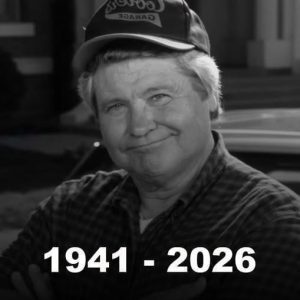
They would replay that night in their minds for years, remembering how his pauses had always been misread as timing instead of tiny collapses. Onstage, he had turned his wounds into punchlines, his fear into shared relief. The audience thought they were only buying tickets to laugh; they never realized they were witnessing a man using humor as a life raft in waters far deeper than anyone knew.Music Equipment & Technology
In the days that followed, the empty microphone became a quiet accusation and a fragile promise. It asked why we believe “I’m fine” more than the tremor in a voice, and why we applaud the performance but ignore the
person. His true legacy lives not in a final joke, but in every conversation where someone chooses honesty over habit, and every moment we stay when another person finally whispers, “I’m not okay.”A pause onstage can mean many things to the people listening. It can prepare a surprise, allow a laugh to finish, or make an ordinary sentence suddenly seem absurd. That familiarity made it easier to overlook the moments when the silence carried something else. The audience had learned to trust his control of a room, and that trust could become an assumption that he was equally in control of everything beyond it.
The laughter was real. So was the relief it gave the room. Recognizing the pain beneath the performance does not make either one false. It changes the understanding of what the performer was doing: creating a shared moment from feelings that had not become simple just because other people could laugh at them.person. His true legacy lives not in a final joke, but in every conversation where someone chooses honesty over habit, and every moment we stay when another person finally whispers, “I’m not okay.”A pause onstage can mean many things to the people listening. It can prepare a surprise, allow a laugh to finish, or make an ordinary sentence suddenly seem absurd. That familiarity made it easier to overlook the moments when the silence carried something else. The audience had learned to trust his control of a room, and that trust could become an assumption that he was equally in control of everything beyond it.