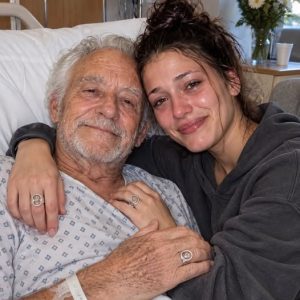
The first call didn’t sound like a miracle. It sounded like a mistake. A dispatcher’s flat voice, a street name, a confirmation request. Then the words that detonated in a living room still cluttered with old flyers and unboxed hope: “We believe we’ve found your daughter.” Years of imagined endings—most of them unbearable—collapsed in a single, shaking moment. Neighbors who once marched with candles now watched from behind curtains as patrol cars idled under streetlights, knowing that whatever came next would not fit into a headline. Because you can bring a body home. A childhood is harder to recla… Continues…
She was found less than an hour’s drive from where she vanished, in a house that looked like any other on the block. Officers spoke in careful phrases—“safe,” “stable,” “ongoing investigation”—while her parents clung to details like lifelines: what she was wearing, whether she’d eaten, if she’d said their names. The reunion wasn’t cinematic; it was awkward, trembling, threaded with questions no one dared ask out loud.
In the days that followed, timelines and suspects filled news segments, but the real story played out off-camera. A mother relearning how to knock before entering her daughter’s room. A father apologizing for not finding her sooner, though everyone insists he did all he could. A town wrestling with the guilt of moving on while her face still hung in the back of their minds.
She did not return as the girl who left. She returned as someone who survived being gone, and now must survive being seen.