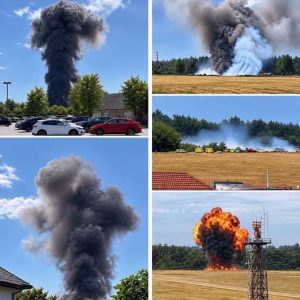
The account describes a major highway collision, but it does not cite an identifiable police statement, transportation alert, or other official source confirming the reported deaths. The number of vehicles involved and the circumstances surrounding the incident also remain unspecified. Those omissions matter: a claim of mass casualties should not be presented as a confirmed tragedy without supporting evidence. Readers deserve clarity, particularly when a report could cause families to fear for loved ones.
If authorities confirm a serious collision, their updates should guide any account of casualties, rescue efforts, and road closures. Until then, readers should avoid circulating unsupported details and seek information from relevant agencies and established news organizations. The broader safety message remains important regardless of this report’s accuracy: leave adequate following distance, put distractions aside, and adjust speed to conditions. Responsible driving protects lives; responsible reporting helps prevent uncertainty from becoming unnecessary distress.
A responsible account of a highway emergency should separate the existence of an incident from the claimed scale of its consequences. A photograph of damaged vehicles can show that something serious occurred, yet it cannot establish the number of people involved or the outcome for each of them. Those details require identifiable reporting. Keeping that distinction visible helps readers understand what an image demonstrates and what still needs confirmationRead more below.