An elderly woman passed away at the age of eighty-eight. Not from natural causes, as one would suspect but from horrible neglect. Eighty-eight-year-old Sarene Taylor passed away after she was taken off of food and water for twenty-eight days by her caretakers. Her son found that she died “slowly” from “dehydration and malnutrition” thanks to the lack of care she received from the people who were supposed to be looking after her wellbeing.
About four weeks ago, Taylor suffered a stroke, and she was admitted to a hospital in North Wales, her son Rob Taylor said. However, the doctors at the hospital apparently wanted nothing to do with the elderly woman and did not try to revive the old woman once she arrived in their care. Instead, they withdrew food and water from her and started the process of slowly killing her despite the wishes of her family members, who were devastated by the news that Taylor was put into end-of-life care without being told.
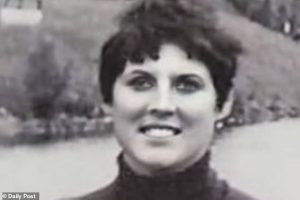
Rob Taylor is a former North Wales rural police officer who is both decorated and respected in his former profession. Nevertheless, he was disrespected when it came to how his mother was treated at the North Wales hospital. He claims that the way Sarene Taylor was treated at the hospital was both “inhumane” and “heartbreaking” for him and his family and that the method for care has to change if there is to be any humanity in the modern world going forward. He also stated that he believes he may be obligated to report what happened to his mother at the North Wales Hospital to the North Wales Police and the Older People’s Commissioner for Wales because it was truly atrocious and abhorrent.
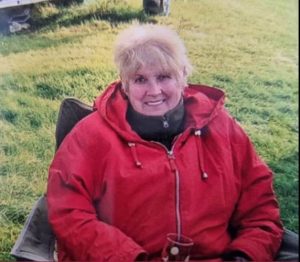
People like Sarene Taylor are apparently still being put on an end-of-life “death pathway” even though the practice was supposedly abolished more than a decade ago in the land of North Wales. Nevertheless, people are still being deprived of food and water as their bodies are being forced into a death state as they are deprived of the vital resources they need to survive from day to day.
Rob Taylor said: “I understand end-of-life care, and the carers and district nurses do a fantastic job. But to deny a human being food and water is disgraceful, and we as a society need to ensure that this doesn’t happen again. The family thanks everyone for their kind messages and loving support during these past weeks.”
In a video testimony following his mother’s tragic death, Rob Taylor shared the details of how his mother was put to death.
“My mum, 88 years of age, had a fantastic life, but sadly four weeks ago today, she was admitted to a hospital in North Wales with what we found out to be a stroke,” he said. “So, arranged for her to be taken back to the care home. This is not a story about illegality or legality. It’s about ethics.”